1. The idea comes before the machine
Every print starts with a purpose. Sometimes the object is practical, such as a replacement part, a bracket, or a prototype for a product idea. Sometimes it is decorative, such as a display piece, a collectible object, or a custom gift. Before we open any modelling software, we work out what the piece needs to do in the real world. That sounds basic, but it is the part that stops a project from becoming a nice-looking file with no clear use.
We ask questions at the start because the answers shape everything else. Will the piece be handled often? Does it need to hold weight? Is surface finish more important than toughness? Does it need to fit inside another object? A display model and a functional part can share the same theme, but they should not be designed the same way. The concept stage is where we decide what kind of job the printer is actually being asked to do.
2. 3D modelling turns the idea into something printable
Once the brief is clear, we move into modelling. This is where the object becomes a proper digital shape that a printer can understand. We use design software to build or refine the geometry, checking that the model is watertight, properly scaled, and suitable for the chosen material. The software matters, but the thinking behind the model matters more. A model can look polished on screen and still fail in production if the walls are too thin, the overhangs are too aggressive, or the parts do not fit together with enough tolerance.
Good modelling is part engineering and part restraint. A design does not need every possible detail if half of it will disappear during printing. Sometimes the smarter choice is to simplify a hidden underside, thicken a weak point, or split a model into sections so it can be printed and assembled more reliably. We also think about how the object will be seen. A clean silhouette can carry more weight than a crowded surface that loses clarity once the layer lines appear.
For example, a desk display piece may need crisp geometry and a polished exterior, while a replacement clip may need stronger walls and a more forgiving fit. The same digital workflow can serve both, but the design decisions are very different.
3. Material selection changes the whole result
Material choice affects how a part prints, how it feels in the hand, how detailed it can be, and how long it will last. There is no universal best material. There is only the right material for a specific use. At 4leafx, we choose materials for what they do well, not because they sound impressive on a product page.
PLA for clean, dependable printing
PLA is often our starting point because it is easy to print, stable, and very useful for display pieces, mock-ups, and decorative prints. It gives us a predictable result when we need to test a shape or move quickly from concept to a physical object. It is not the answer for every job, though. If a part will sit in heat, face heavy handling, or need more resilience, we think carefully before using it.
Resin for detail and surface quality
Resin is the better choice when the model needs fine detail, sharp features, or a smoother surface than a filament print can easily provide. It works well for smaller display objects and pieces where visual precision matters. The trade-off is that resin asks for more handling, more cleaning, and more attention during curing and finishing. We use it deliberately rather than automatically.
PETG and flexible materials for tougher jobs
PETG is a strong option when we need better durability and heat resistance than PLA can offer. Flexible materials are useful when a part needs to bend, grip, or absorb a bit of impact. Material selection is not an afterthought. It is part of the design decision, because the same object in two different materials can behave like two completely different products.
4. The printer builds the object layer by layer
In simple terms, a 3D printer creates an object by adding material in thin layers until the full shape is complete. The machine follows the digital model very closely, but it still needs the right settings to do the job properly. Layer height, print speed, bed adhesion, cooling, temperatures, and support placement all affect the outcome. If any of those are wrong, the print can fail or finish with obvious defects.
Before starting a job, we check the orientation of the model and how the printer will support it. Turning a part a few degrees can reduce the amount of support material, improve the finish on a visible surface, and make the whole build more stable. That kind of adjustment is one of the most practical parts of the process because it saves time later and reduces cleanup work.
While the machine is printing, it is still being monitored. 3D printers are reliable when they are set up properly, but they can still run into warping, stringing, poor adhesion, or layer shifts. Experience helps us spot when a print is drifting away from the intended result, which means we can fix the issue before it becomes a waste of material and time.
5. Post-processing is where the piece gets finished properly
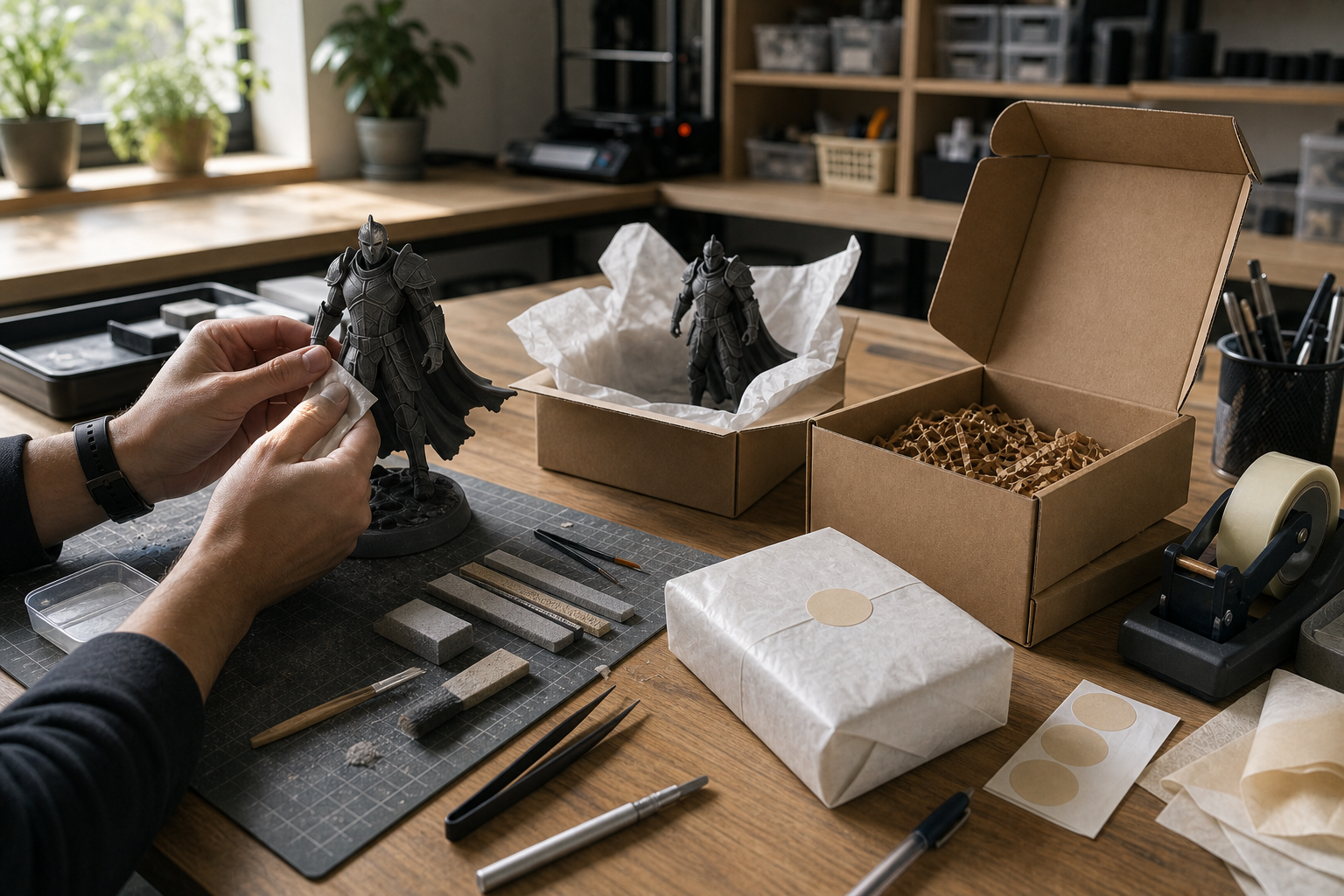
A print is rarely complete the moment it comes off the machine. Post-processing is the stage where the object becomes presentable and ready for use. Depending on the material and the project, that can mean removing support structures, cleaning surfaces, sanding edges, curing resin, assembling parts, or applying a final finish. This is not cosmetic busywork. It is the stage that makes the object feel intentional.
We take support removal carefully so the surface is not damaged. If a part needs a smoother finish, we work on it rather than rushing it out. If a model includes moving parts or joins, we test those parts before calling the job done. The aim is to make sure the object looks right, fits right, and performs the way it should.
A clean finish also helps the piece carry the right feeling. At 4leafx, we want the final print to feel considered rather than generic. A good finish does not shout for attention. It simply makes the object feel complete.
6. Common challenges and how we solve them
3D printing is dependable when the process is managed properly, but there are still predictable problems that can show up. Warping is one of the most common, especially on parts with large flat bases or sharp corners. Stringing can appear when a nozzle is too hot, the filament is moist, or the retraction settings need tuning. Weak supports often point to a model that should have been oriented differently. Layer shifts usually suggest a mechanical issue or an unstable print environment.
The useful thing about these problems is that they are not random. Most can be reduced through design choices before the print even starts. We solve issues by looking at the whole workflow instead of blaming one setting. If a model needs less support, we change the orientation or reshape the geometry. If a part is prone to warping, we adjust the setup or rethink the base. If a material is not a good fit, we change the material. Prevention is slower at the start, but it is much cheaper than restarting a failed job.
7. Quality matters because the final object has to earn its place
Quality is not just about looking polished. It is about trust. If someone receives a custom piece or a printed product from 4leafx, they should be able to rely on it. That means checking dimensions, surface quality, strength, and finish before the piece is handed over. It also means being honest about what the material can do and where its limits are.
A good 3D print should feel like a deliberate object, not an experiment that happened to work. That is especially important for brand-focused pieces and meaningful custom work, where the final result needs to carry some personality as well as function. Quality is what turns a printed file into something worth keeping.
Conclusion
Our 3D printing process is built around careful decisions at every stage. We begin with the idea, shape it through thoughtful modelling, choose the right material, print with attention, and finish with proper post-processing and quality checks. That process is what turns a digital concept into a physical object that feels solid, useful, and worth keeping.
At 4leafx, that is the point. We are not trying to make generic prints as quickly as possible. We are trying to make rare, meaningful creations that carry the thought behind them all the way into the final object. When the process is done properly, the result speaks for itself.