4leafx makes thoughtful projects across digital and physical work
4leafx is a creative studio built around making ideas real. We work across 3D printing
and game development, with a focus on custom pieces, practical objects, and playable
experiences that feel considered rather than generic. The name comes from the idea of
rarity, like finding a four-leaf clover: something unusual, deliberate, and a little
special. That is the standard we try to keep in every piece of work we publish.
3D printingGame designMeaningful projects
Why 4leafx was created
4leafx started from a simple frustration: good ideas were often being treated like
disposable content. We wanted a place where a project could be developed carefully,
explained properly, and finished with enough attention that it still felt valuable
after the first impression had passed. That became the studio’s starting point.
We are drawn to work that takes patience. Sometimes that means adjusting a 3D model
three times before the proportions feel right. Sometimes it means testing a game loop
until the rules are clear enough to trust. The process matters to us because it is
where the quality is built, not just where the work is described.
What we do
3D printing
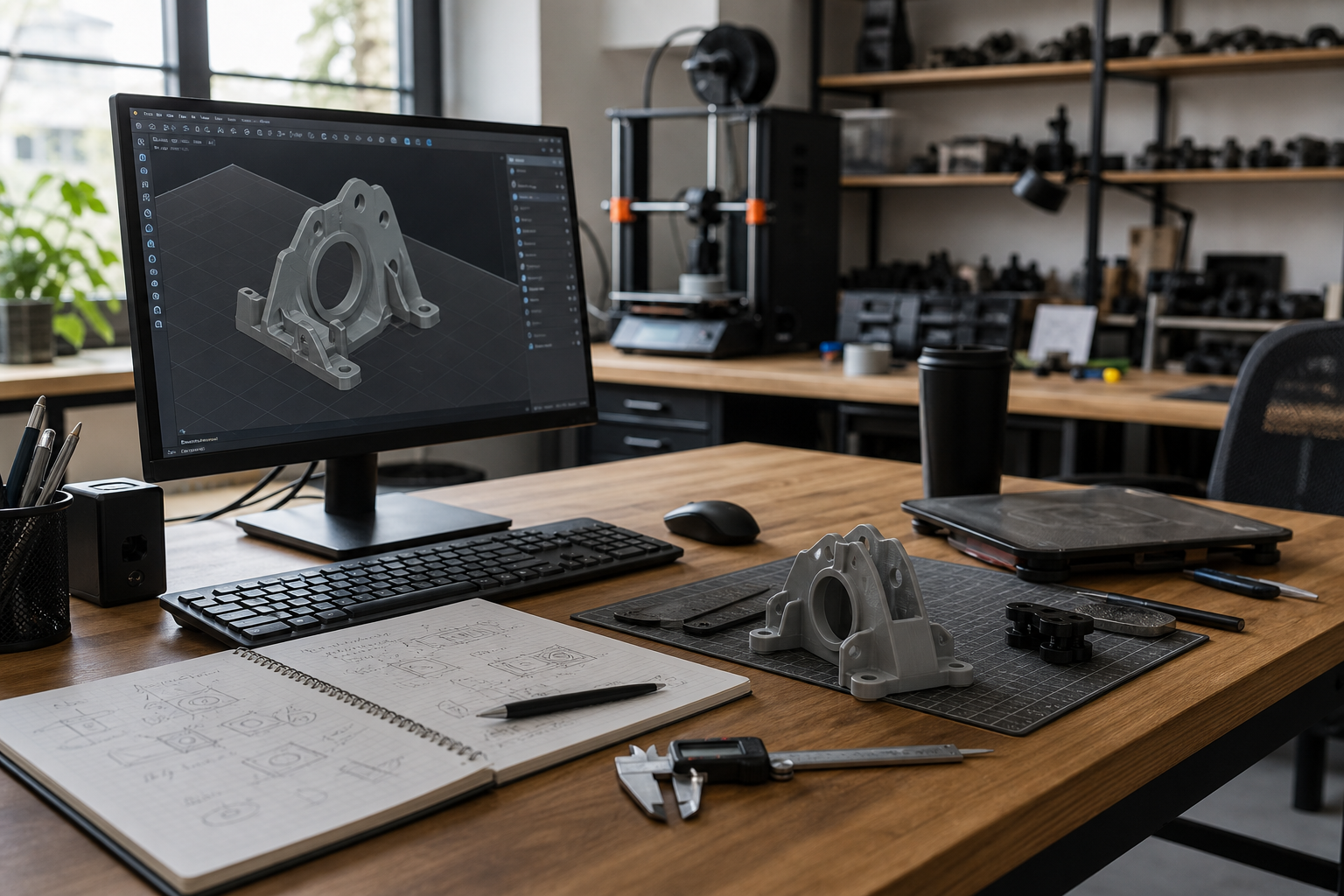
On the 3D printing side, we design and produce objects that are practical, personal,
or display-ready. That includes custom gifts, signage, prototypes, and small pieces
that need careful finishing. We pay attention to the details that usually decide
whether an object feels rough or intentional: scale, tolerances, material choice,
surface quality, and how the final piece will actually be used.
Game development
On the game development side, we build projects such as Big Two with the same care.
We start with the rules, the player experience, and the practical shape of the game,
then build outward through prototypes, testing, and refinement. We are interested in
games that are easy to understand but still have depth, because that balance is what
keeps a project alive after the first play.
How we approach projects
We approach each project with the same basic discipline: define the goal, test the
shape of the idea, and keep the work honest. If something needs simplifying, we say so.
If a material choice would make the result weaker, we change it. If a game system needs
another pass, we give it one. That is not a dramatic philosophy. It is just the most
reliable way to make things that hold together.
That approach is why the studio often ends up making less than it could in theory, but
better than it would if it rushed. We would rather finish one meaningful project well
than publish several that feel empty. A smaller body of work can still be serious work
if the standards are clear.
What makes us different
4leafx is not built around mass production, trend chasing, or filling space with work
that has no centre. We care about projects that have a reason to exist and a clear way
of doing so. That means the final result should feel specific rather than generic.
Whether it is a 3D printed object or a digital game, the point is to make something
with enough thought behind it that it still feels meaningful later.
That is also why we document the process. A real studio should not feel like a black
box. People should be able to understand how the work is made, what standards are used,
and why certain decisions were chosen. Transparency builds trust, and trust matters
when you are asking people to care about your work.
What you will find here
On this site you will find guides, studio notes, game pages, and project updates. Some
pages explain the 3D printing process in practical terms. Some describe the game
development work behind Big Two. Others explain how we handle custom gifts, signage,
and workshop routines. It is a mix by design, because the studio itself is a mix of
digital and physical work.
If you are here to understand the studio, the short version is simple: we like making
things carefully, explaining them honestly, and building work that feels considered
rather than disposable. There is still plenty we want to make, and that is part of the
appeal. The studio should keep growing without losing the attention that gave it shape
in the first place.