1. The first message should describe the real goal
A useful inquiry explains what the object is for, who will use it, and what kind of look or finish you want. If you already know the size, material, or deadline, include that too. The goal is not to write a perfect project brief on the first try. The goal is to give the workshop enough information to tell you whether the request is practical, which path is likely to work, and what the main tradeoffs may be. A good first message saves several back-and-forth steps later.
It also helps to share reference images when possible. References do not have to be exact copies. They simply help identify the style, proportion, or detail level that matters most. The workshop can then translate the idea into a production plan instead of guessing at the direction.
2. Quotes depend on scope, not just size
Many people assume that the price of a custom print is mostly a matter of dimensions. Size matters, but it is not the only factor. Material choice, detail level, assembly steps, prototype needs, and finishing time all affect the estimate. A smaller print can still require a lot of work if it needs precision cleanup or multiple revision passes. A larger print may be straightforward if the geometry is simple and the finish is forgiving.
That is why we prefer to talk about scope. Scope is the actual amount of work the project will need. When scope is clear, the quote becomes easier to understand and the final result is less likely to drift away from what was originally discussed. A good quote is not just a number. It is a map of the work ahead.
3. A prototype is normal, not optional
Once the brief is understood, we often move to a concept model or prototype before the final print. That step gives both sides something concrete to evaluate. It answers the questions that are hard to settle on paper: Does the silhouette feel right? Is the object too heavy in one area? Are any details too fine for the intended material? Does the piece look right at the chosen scale?
If the prototype reveals a problem, that is useful information, not failure. It means the project is doing what custom work is supposed to do: uncovering issues before the final stage. Revisions at this point are usually cheaper and cleaner than trying to fix a finished piece after delivery. In other words, the prototype protects both the result and the relationship.
4. Communication keeps the project moving
Good custom work depends on clear, timely communication. If a decision is needed on material, size, or finish, we try to surface it early. That helps avoid delays and keeps the project from becoming a chain of assumptions. From the customer side, it helps to respond when a choice really matters rather than waiting until the end. Small clarifying questions can save a lot of redo work.
We also try to be realistic about timing. A custom order is not the same as picking an item from a shelf. It may need design time, printing time, curing, cleanup, testing, and packaging. If the project includes several of those steps, the schedule should reflect that. A clear timeline is more useful than a rushed promise that cannot hold.
5. Delivery closes the loop
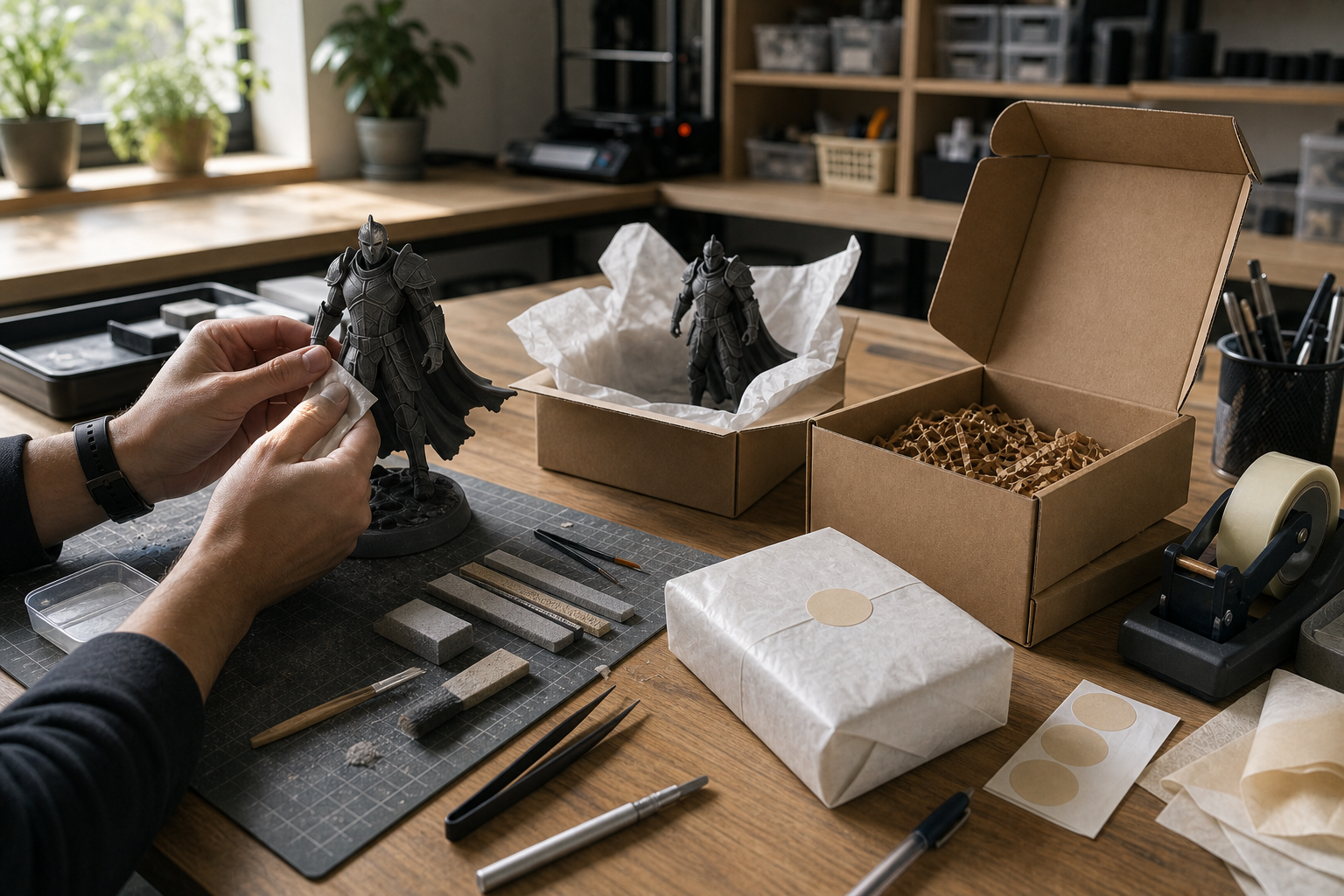
When the piece is done, the job is not over until it is packed and handed off safely. That final step matters because it is the last thing the customer experiences. A custom order should arrive with the same care that went into the earlier stages. If assembly is required, the parts should be labeled. If the object needs handling notes, those notes should be simple and visible. If shipping protection is important, it should match the fragility of the item instead of being an afterthought.
That is the standard we use at 4leafx. A custom order should feel like a guided process from start to finish, not like a mystery box. When people understand what to expect, the work becomes easier to trust and the end result feels more valuable. That is good for the customer and better for the workshop too.